
If you are looking for a wheelchair-accessible van, one of the first questions you will probably have is: How much does a wheelchair van cost?
The answer can vary significantly depending on whether you are buying a new or used van, the type of wheelchair conversion, the vehicle itself, mileage, features, and overall condition.
In general, wheelchair vans can range from around $15,000 for an older used conversion to $100,000 or more for a new, fully equipped wheelchair van. Most used wheelchair vans fall somewhere between those extremes.

What Determines the Cost of a Wheelchair Van?
A wheelchair van is more than just the base vehicle. The accessibility conversion can represent a significant portion of the vehicle’s overall value.
A couple of factors affect the price.
1. New vs. Used
New wheelchair vans typically cost considerably more than used models. A new minivan combined with a new accessibility conversion can easily reach $60,000 to $100,000 or more, depending on the vehicle and conversion.
Used wheelchair vans can offer a more affordable option. Older converted vans may be available in the $15,000 to $30,000 range, while newer used vans with lower mileage and newer conversions can cost $30,000 to $60,000 or more.
The age and condition of both the vehicle and the conversion are important when comparing prices.
2. The Type of Wheelchair Conversion
The conversion itself has a major impact on price.
Common wheelchair van configurations include:
Side-entry wheelchair vans
Rear-entry wheelchair vans
Power ramps
Manual ramps
Foldout ramps
In-floor ramps
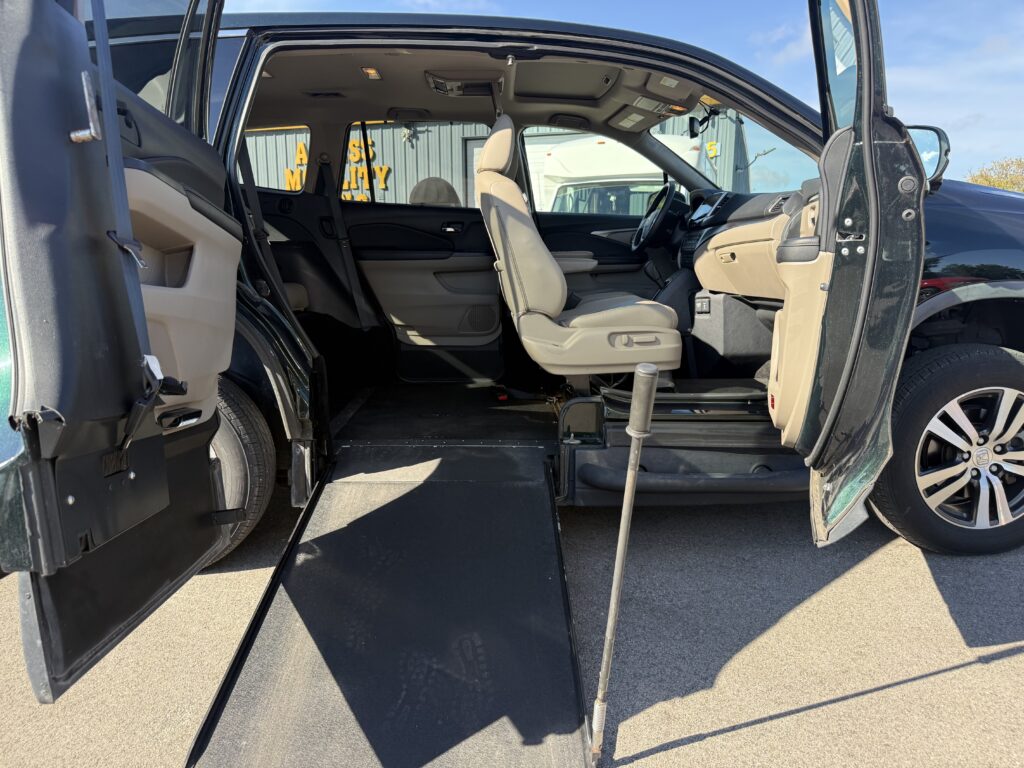
Side-entry conversions are often more expensive because they can include additional modifications and equipment. However, they also provide some advantages, such as easier access from the side of the vehicle and the ability to position a wheelchair passenger closer to the front seats.
Rear-entry conversions can be a more affordable alternative and are often a practical choice for families and caregivers who primarily need wheelchair access from the rear.
3. Additional Equipment
The equipment installed in a wheelchair van can also affect its overall cost. Some buyers may only need a ramp and wheelchair securement system, while others may need additional equipment to make driving or traveling easier.
Depending on the vehicle and the user’s needs, additional equipment may include:
Hand controls for drivers who cannot use standard foot pedals
Transfer seats to make getting into and out of the vehicle easier
Power transfer seats that assist with moving between a wheelchair and the vehicle seat
Wheelchair securement systems to safely secure a wheelchair during travel
Driving aids such as steering devices and other adaptive controls
Foot controls such as left-foot accelerators and accelerator or brake guards
Lift systems for transporting power wheelchairs or scooters
Steering aids such as spinner knobs and other steering controls
Kneeling systems that lower the vehicle to make entry and exit easier
These additions can increase the total cost of a wheelchair van, but they can also make the vehicle better suited to a person’s specific mobility and driving needs. When comparing vehicles, consider which equipment is already included and what you may need to add after purchase.
For a broader look at available accessibility equipment, you can also browse Access Mobility Vans’ mobility products.
Does Mileage Matter on a Wheelchair Van?
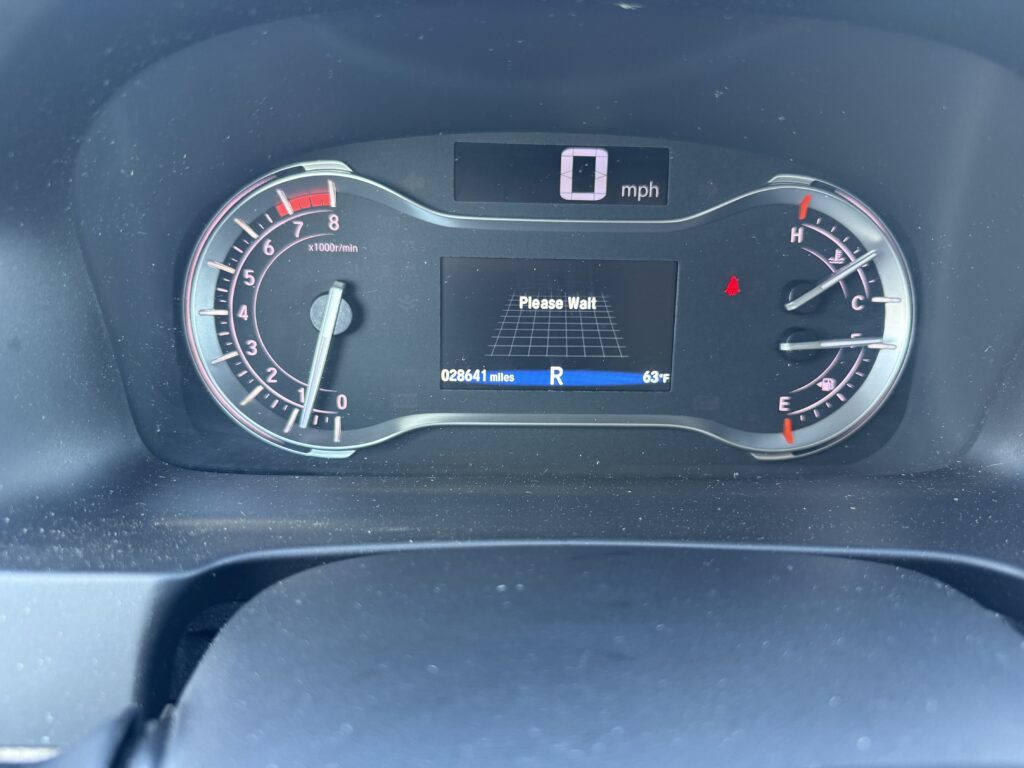
Mileage is an important part of evaluating a used wheelchair van, but it should be considered alongside the vehicle’s age and condition.
A higher-mileage van can still be a good option if it has been properly maintained and the conversion is in good working condition. Likewise, a lower-mileage vehicle may still require attention if it has been sitting for long periods or has older conversion components.
When evaluating mileage, also consider:
Maintenance history
Conversion age
Ramp operation
Condition of the interior
Tires and brakes
Warning lights
Rust or corrosion
Overall mechanical condition
Looking at the complete history of the vehicle gives you a better idea of its value than mileage alone.
Side-Entry vs. Rear-Entry Wheelchair Vans
The type of wheelchair access is another important consideration when comparing vehicles.
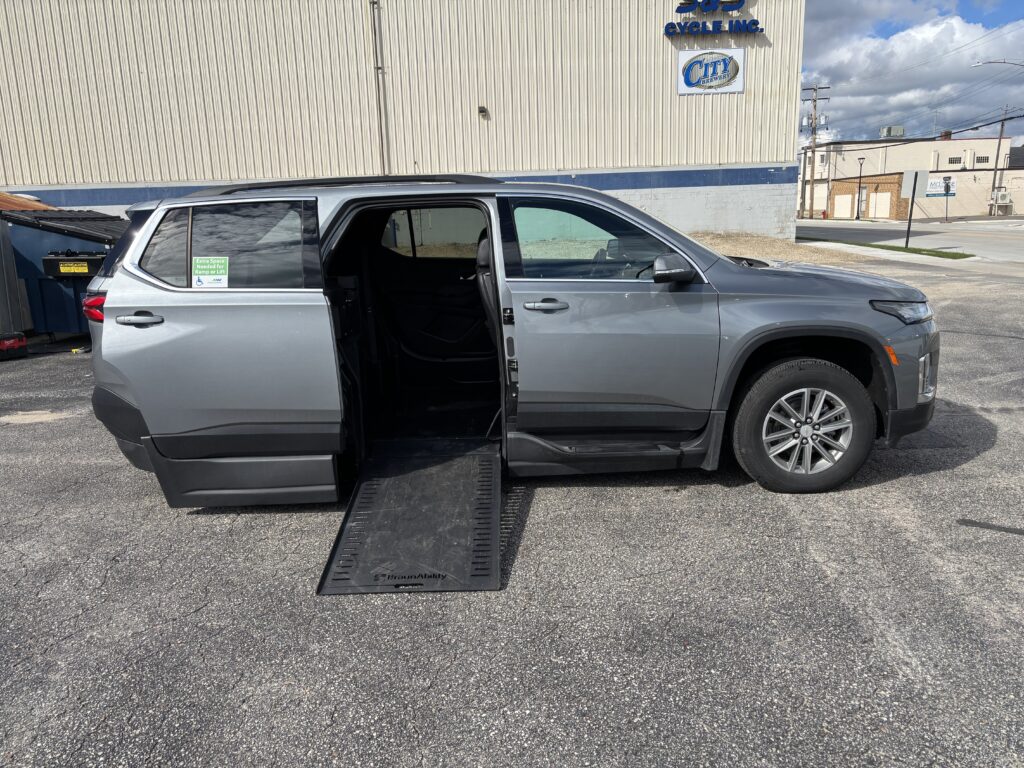
Side-Entry Wheelchair Vans
Side-entry vans provide access through the side door and can offer several seating configurations. Depending on the conversion, a wheelchair user may be able to remain in their wheelchair behind the front seats or access a position closer to the front of the vehicle.
Side-entry conversions are available with different ramp styles, including powered and manual options, as well as foldout and in-floor designs.
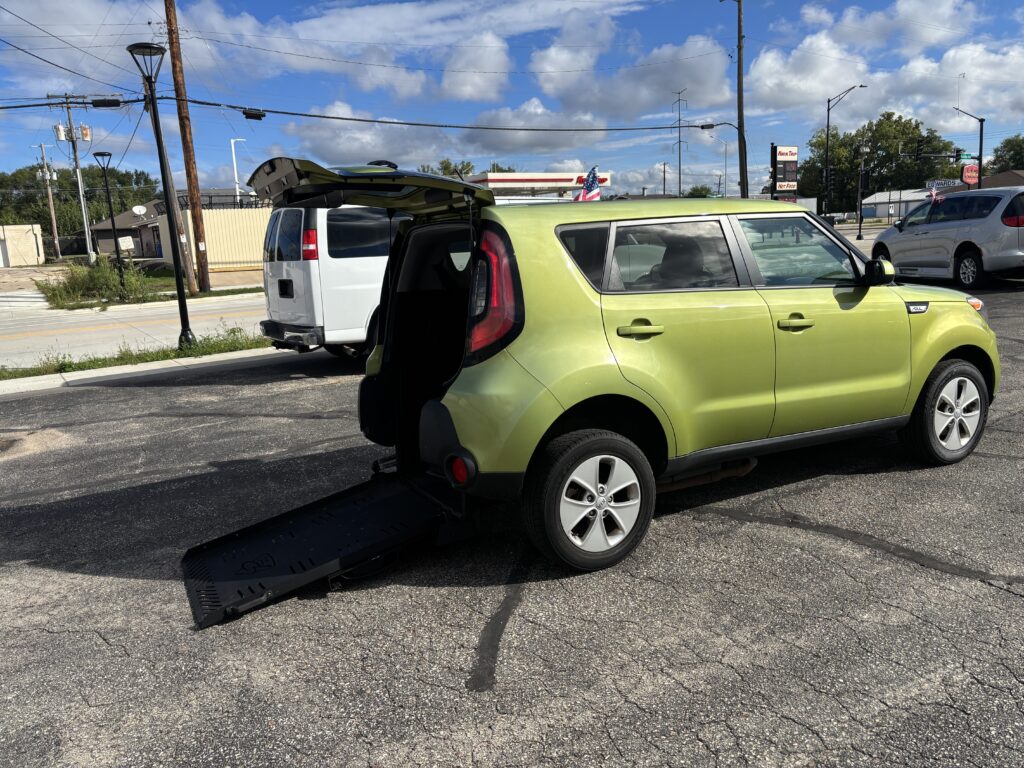
Rear-Entry Wheelchair Vans
Rear-entry vans provide access through the rear of the vehicle. This configuration can be a practical option for families, caregivers, and transportation needs.
Rear-entry vans can also provide a straightforward way to accommodate a wheelchair without requiring side-entry access.
The better option depends on how the vehicle will be used, the available parking space, seating needs, and the wheelchair user’s preferences.
Is a Used Wheelchair Van Worth It?
For many buyers, purchasing a used wheelchair van can be a practical way to get accessible transportation while avoiding the higher cost of a new vehicle and conversion.
However, condition is especially important when buying an older wheelchair van. Both the vehicle and the wheelchair van conversion should be evaluated before purchasing.
Pay attention to:
Ramp operation
Conversion components
Flooring and interior condition
Doors and locks
Maintenance records
Tires and brakes
Warning lights
Rust or corrosion
It is also worth checking whether the conversion manufacturer offers any remaining warranty coverage. When comparing used vehicles, look at the condition and equipment of the complete van rather than focusing only on the vehicle’s age or mileage.
What Should You Consider For Your Budget?
Once you know the general price range, think about how the vehicle will actually be used.
Consider how many passengers you need to carry, whether the wheelchair user will remain in their wheelchair while riding, whether the vehicle will be driven by the wheelchair user or a caregiver, and what accessibility equipment is necessary.
These factors can narrow down the types of vehicles and conversions that make sense for your budget.
Rather than choosing a vehicle based solely on its lowest price, compare the year, mileage, conversion, equipment, condition, and overall value.
It can also be helpful to compare different wheelchair-accessible vehicles to see how these factors affect pricing.
Finding the Right Wheelchair Van
The right wheelchair van depends on the needs of the person using it.
Before making a decision, consider:
Year and mileage
Make and model
Conversion manufacturer
Side-entry or rear-entry configuration
Ramp style
Interior layout
Wheelchair capacity
Securement system
Maintenance history
Overall condition
The type of wheelchair van conversion and ramp configuration can make a significant difference in how a vehicle works for your needs.
Taking the time to compare these factors can help you find a vehicle that fits both your needs and your budget.
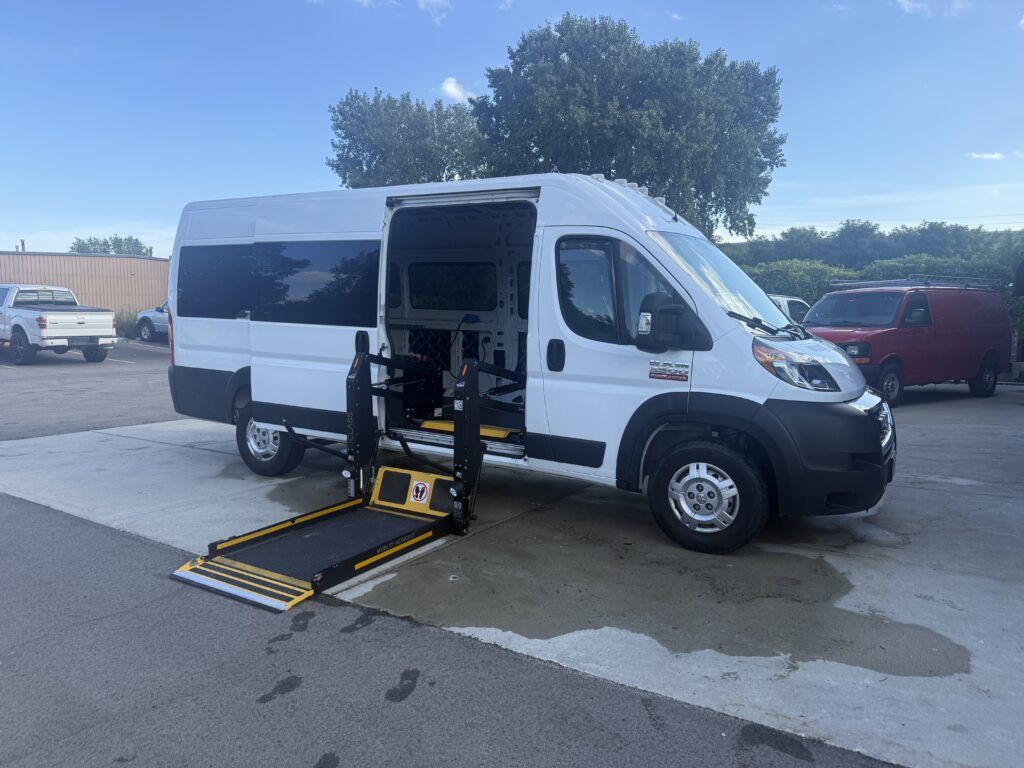
Shop Used Wheelchair Vans
If you’re looking for a used wheelchair-accessible vehicle, Access Mobility Vans’ inventory includes accessible vans with different years, mileage, conversion types, and configurations.
If you’re unsure which type of wheelchair van is right for you, contact Access Mobility Vans to discuss your needs and available options.